Running a local business?
Your questions answered
What is Thai Massage?
Thai massage is an ancient healing technique that combines acupressure, Indian Ayurvedic principles, and assisted yoga postures. Unlike traditional Swedish massage, Thai massage is typically performed on a padded mat on the floor, allowing for a full range of motion during the session. The practitioner uses their hands, elbows, knees, and feet to apply pressure to specific points on the body, helping to relieve muscle tension and promote relaxation. One of the key benefits of Thai massage is its ability to improve flexibility and range of motion. By stretching and manipulating the body into a series of yoga-like poses, Thai massage can help to release tension in the muscles and improve overall mobility. Additionally, Thai massage is known for its ability to promote relaxation and reduce stress, making it a popular choice for those looking to unwind and rejuvenate.
What are the Origins of Thai Massage?
Thai massage has its roots in ancient Thai healing traditions that date back over 2,500 years. It is believed to have been developed by a physician named Shivago Komarpaj, who was a contemporary of the Buddha. Komarpaj is said to have been a close companion of the Buddha and the personal physician to the King of India. Over time, Thai massage evolved to incorporate influences from Chinese medicine, Indian Ayurveda, and traditional Thai folk medicine. Today, Thai massage is recognized as a form of therapeutic bodywork that can help to reduce pain, improve flexibility, and promote overall well-being.
What are the Benefits of Thai Massage?
Thai massage offers a wide range of health benefits, both physical and mental. Some of the key benefits of Thai massage include: Improved flexibility and range of motion: Thai massage involves a series of stretching and yoga-like poses that can help to increase flexibility and improve joint mobility. Reduced muscle tension: The deep pressure and stretching techniques used in Thai massage can help to release tension in the muscles, alleviating pain and stiffness. Stress relief: Thai massage is known for its ability to promote relaxation and reduce stress, making it an effective way to unwind and recharge. Improved circulation: The firm pressure applied during Thai massage can help to stimulate blood flow, improving circulation and promoting overall health.
What to Expect During a Thai Massage Session?
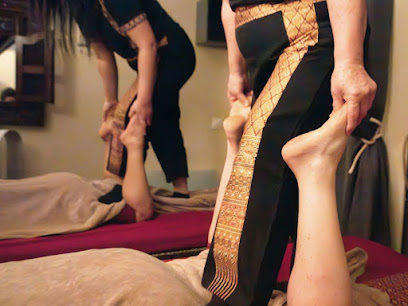
During a Thai massage session, you can expect to remain fully clothed and lie on a padded mat on the floor. The practitioner will use a combination of acupressure, stretching, and gentle rocking motions to work on different areas of your body. Thai massage is typically performed without the use of oils or lotions, so it is important to wear comfortable, loose-fitting clothing that allows for ease of movement. Throughout the session, the practitioner may use their hands, elbows, knees, and feet to apply pressure to specific points on your body. You may be asked to breathe deeply and relax into the stretches to help release tension and improve flexibility. A typical Thai massage session can last anywhere from 60 to 90 minutes, depending on your preferences and needs.
 #1