Running a local business?
Your questions answered
What is a gynecologist?
A gynecologist is a medical doctor who specializes in the female reproductive system. They are trained to diagnose and treat a wide range of conditions that affect women's reproductive health, including menstruation, pregnancy, childbirth, and menopause. Gynecologists also perform preventive screenings such as Pap smears and pelvic exams to detect potential health issues early on. When visiting a gynecologist, it's important to discuss any concerns or symptoms you may have regarding your reproductive health. Whether you are experiencing abnormal bleeding, pelvic pain, or are due for a routine check-up, a gynecologist can provide you with personalized care and guidance for your specific needs.
When should I see a gynecologist?
It is recommended that women schedule their first visit with a gynecologist between the ages of 13 and 15 or when they become sexually active, whichever comes first. Regular check-ups are essential for maintaining good reproductive health and can help detect any potential issues early on. If you are experiencing symptoms such as irregular periods, pelvic pain, abnormal bleeding, or changes in your breasts, you should schedule an appointment with a gynecologist as soon as possible. Additionally, if you are planning to become pregnant or have concerns about contraception, a gynecologist can provide you with the necessary information and care.
What services do gynecologists provide?
Gynecologists offer a wide range of services to address women's reproductive health needs. Some common services provided by gynecologists include: Whether you need routine care, treatment for a specific gynecological condition, or guidance on family planning, a gynecologist can provide you with the comprehensive care you need to maintain your reproductive health. Annual check-ups and preventive screenings. Contraception counseling and management. Management of menstrual disorders and menopause symptoms. Management of gynecological conditions such as endometriosis, fibroids, and ovarian cysts. Obstetric care during pregnancy and childbirth.
What should I expect during a gynecological exam?
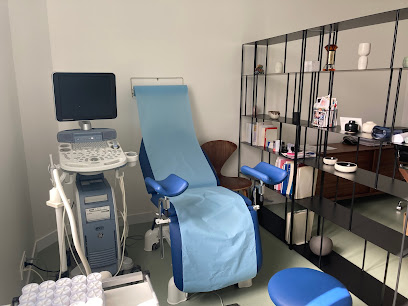
During a gynecological exam, your gynecologist will perform a thorough assessment of your reproductive health. This may include: Your gynecologist will also discuss any concerns or questions you may have about your reproductive health and provide guidance on maintaining good gynecological health. It's important to communicate openly with your gynecologist during the exam to ensure you receive the best possible care. A review of your medical history and any symptoms you may be experiencing. A pelvic exam to check the health of your reproductive organs. A Pap smear to screen for cervical cancer. Breast exam to check for any lumps or abnormalities.
 #1